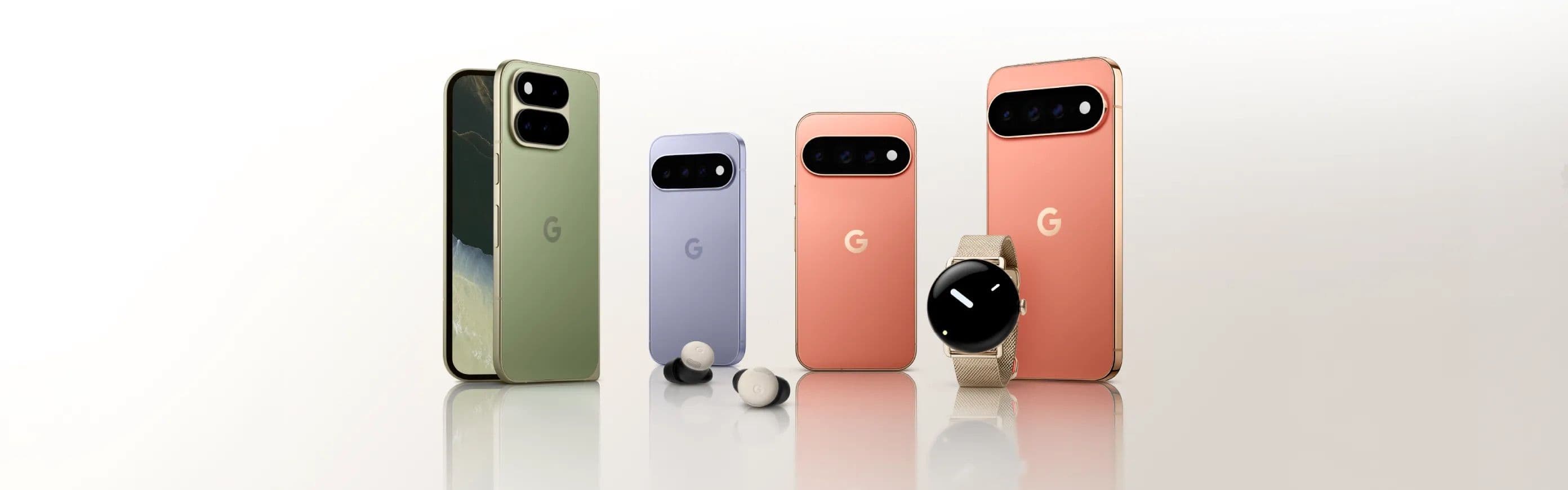
Google’s 2026 Pixel launch is easy to read as a conventional hardware refresh: new Pixel 11 phones, a thinner foldable, Pixel Watch 5, updated earbuds and the company’s first Pixel Tag. The more consequential story is how those products are being assembled into one ambient computing system. Google is trying to make the phone less like a destination and more like a coordinator that can understand context, connect services and surface help before a person goes looking for it.
That direction matters because smartphone hardware has matured. Better cameras and faster processors still count, but year-to-year gains rarely transform how a device feels. Google’s answer is to move the competition toward orchestration. A watch can notice a health event, a tag can locate an object, and Gemini can connect information across apps. The value is no longer contained in any single component; it emerges from how quietly the pieces cooperate.
From responsive to anticipatory
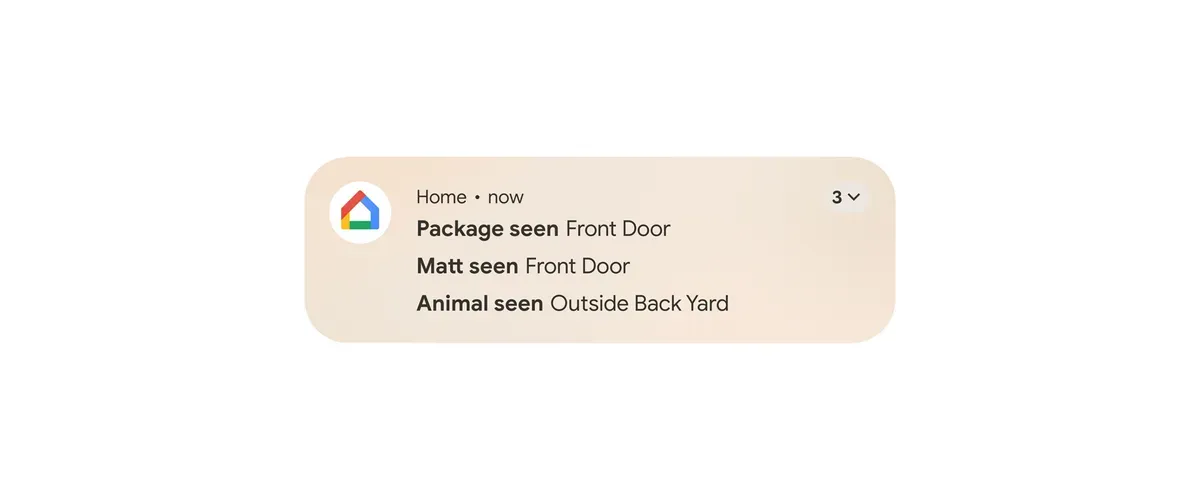
For most of the smartphone era, software waited for explicit commands. People opened an app, searched for information and chose an action. Proactive systems invert part of that relationship. They infer what may be useful from time, place, activity and personal context, then decide when to intervene. Google describes the new Pixel portfolio as personal, proactive and productive, with features designed to help people return their attention to the rest of life.
The promise is appealing, but anticipation is a harder product problem than response. A wrong answer to a question is frustrating; an unnecessary alert at the wrong moment can make the entire system feel intrusive. Useful proactive computing therefore depends on restraint. It needs confidence thresholds, understandable settings and a clear distinction between urgent information and a speculative suggestion.
Hardware still sets the boundaries
AI does not make the physical device irrelevant. Sensors determine what a system can perceive, radios determine what it can find, and battery life determines whether continuous assistance is practical. The Pixel 11 Pro Fold, Pixel Watch 5 and Pixel Tag expand Google’s collection of inputs and surfaces. Together, they give software more opportunities to understand where a person is, what they are doing and which device is best placed to respond.
This integration also creates lock-in pressure. Features become more valuable as a household adopts more products from the same ecosystem. Buyers should ask which functions depend on a Google account, which work offline and what remains useful if they later change phones. A good ecosystem creates compounding convenience without turning ordinary objects into hostages of one account.
The privacy test
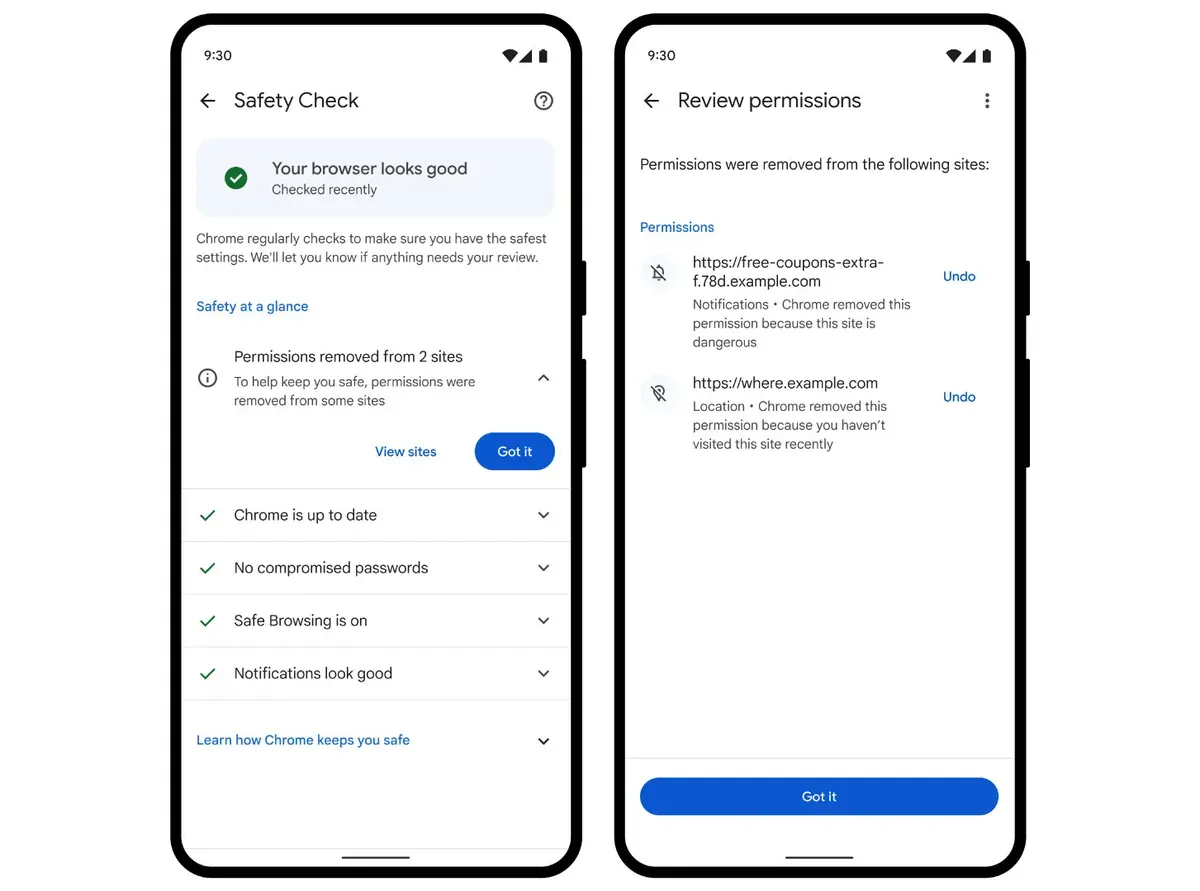
The more context an assistant can use, the more care its maker owes the user. Location, health signals, messages and daily routines can produce genuinely useful assistance, but together they also form an unusually intimate record. Google’s practical challenge is to make data flows legible: what is processed on a device, what leaves it, how long information is retained and which connected services receive it.
Pixel 11 will be judged not only by benchmark results or camera comparisons, but by whether proactive features earn permission to stay enabled. The strongest version of ambient computing fades into the background because it is reliable, selective and easy to control. If it becomes noisy or opaque, people will disable the very intelligence meant to distinguish the hardware.
What to watch next
The useful question for the coming year is whether Google can make the portfolio behave like one coherent product. Cross-device continuity, local processing, graceful failure and simple privacy controls will matter more than the number of AI features in a launch presentation. Pixel 11 is a bet that the next stage of personal computing will be measured by attention returned to the user. Delivering that will require the system to know not only how to help, but when to remain silent.