Publishing is becoming programmable
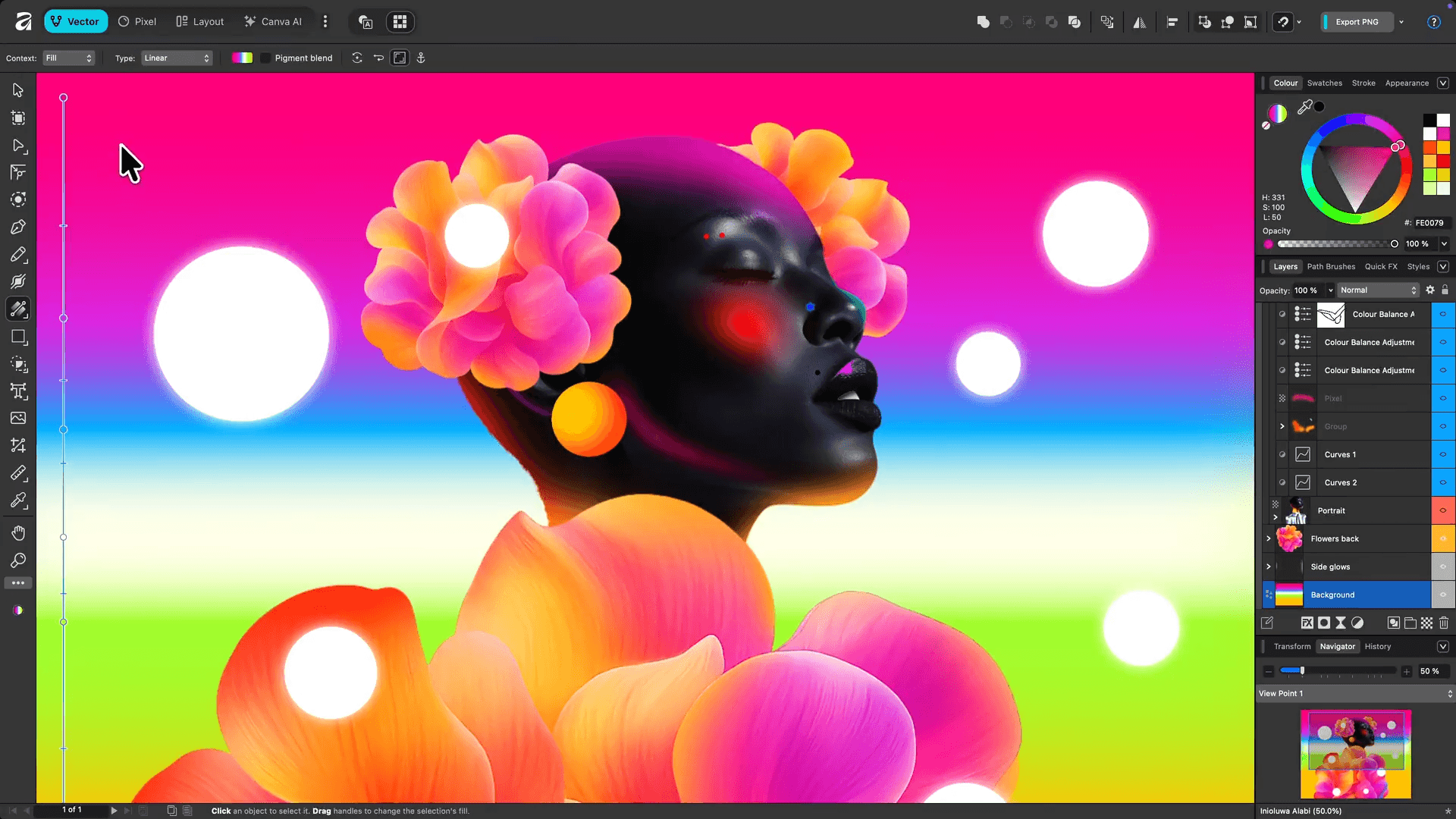
Framer’s August plugin update introduced APIs for branching and publishing. For teams building websites in a visual tool, that matters because launch workflows rarely end at the canvas. Content may need approval, changes may need isolation and publishing may need to coordinate with other systems. Opening those actions to plugins lets teams connect design work to a more structured release process.
Why branches matter in visual tools
A branch gives a designer or editor room to make changes without immediately affecting the main site. That is familiar in software development but less consistent in visual website builders. Plugin access can support workflows that create branches for campaigns, apply controlled updates or prepare a set of changes for review. The benefit is not version control terminology itself; it is reducing the fear that experimentation will disturb production work.
Publishing as an explicit action
A publishing API allows approved changes to move live as part of a wider process. A plugin could validate required content, connect a release to an internal checklist or trigger publication after another system confirms approval. This can help small teams avoid repeated manual steps and help larger organisations enforce the same process across many sites. It also raises the stakes for permissions because a poorly designed plugin may now affect a public property.
Automation needs guardrails
Teams should limit which plugins can publish, log important actions and keep a clear recovery path. Automated checks should assist review rather than hide what is changing. A useful workflow shows the branch, the intended destination, the person or system authorising publication and the result. If those details are invisible, convenience can turn into difficult-to-audit risk.
A sign of a maturing platform
Visual site builders increasingly sit inside product and marketing operations rather than serving as isolated page editors. Framer’s APIs acknowledge that reality. Their value will depend on documentation, permission controls and the quality of plugins built around them, but the direction is sensible: designing, reviewing and releasing a website should be connected stages of one workflow.
Before adopting an automated publisher, teams should test it on a non-production project. Confirm that it targets the correct site, handles failed validations without publishing, and reports a useful result. Credentials should have the smallest necessary permissions and should never be embedded in a plugin shared publicly. These precautions are ordinary release engineering, but visual tools need to make them understandable to people who may not think of website publishing as a software deployment.